

Myomectomy
- Home
- /
- Myomectomy
Myomectomy
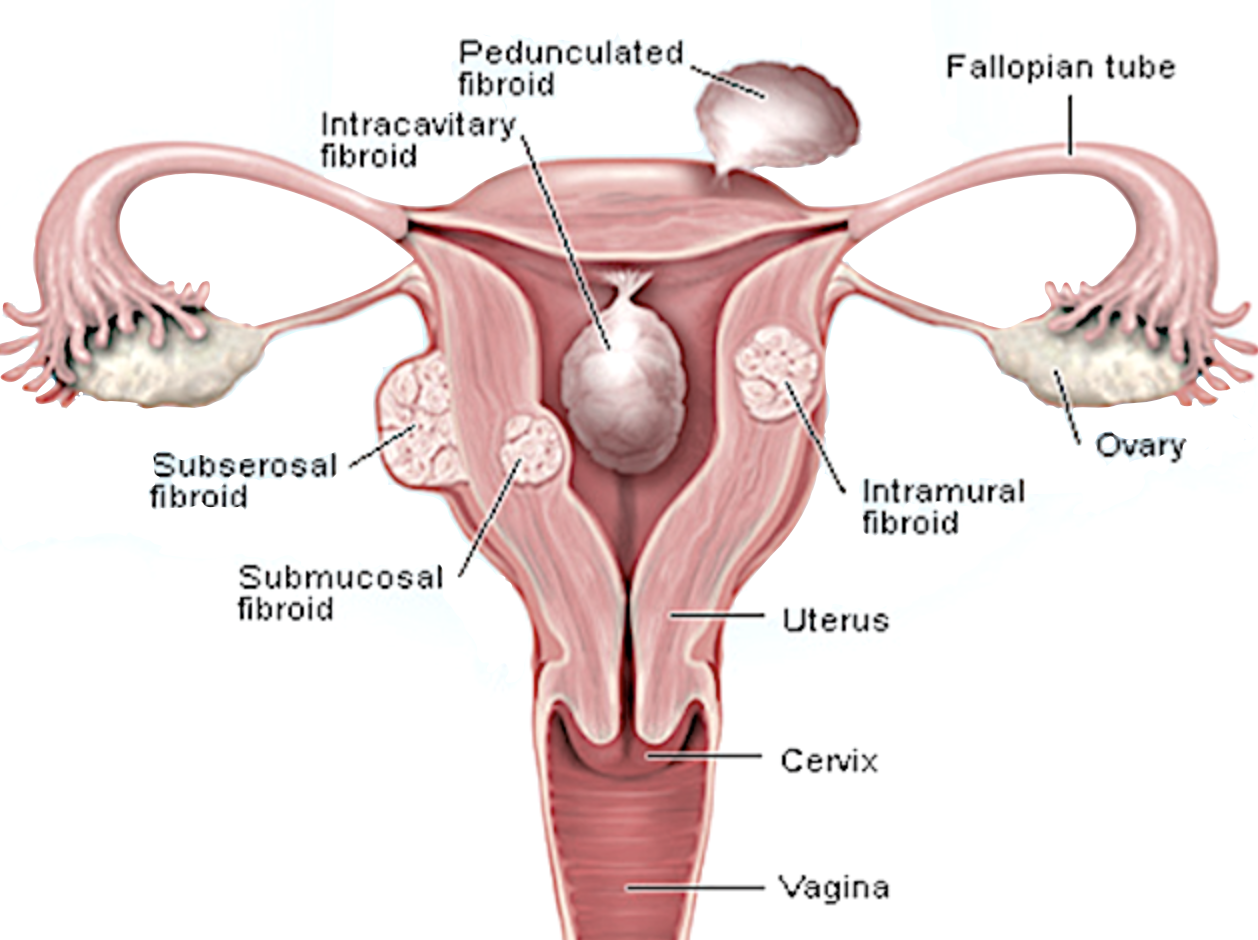
A myomectomy is a surgical procedure to remove uterine fibroids (also known as leiomyomas) while preserving the uterus. It is the preferred treatment for women who wish to retain their fertility or avoid a hysterectomy. Unlike hysterectomy, myomectomy removes only the fibroids and leaves the uterus intact, making it a fertility-sparing option.
Why Is a Myomectomy Performed?
Heavy menstrual bleeding
Pelvic pain or pressure
Frequent urination or constipation
Infertility or recurrent pregnancy loss
Enlarged uterus or abdominal swelling
Discomfort during sexual activity
Types of Myomectomy
-
Open surgery performed through a larger abdominal incision
-
Suitable for large or multiple fibroids
-
Minimally invasive, performed through small incisions using a laparoscope
-
Shorter recovery, less pain, ideal for moderate-size fibroids
Offers greater precision, flexibility, and control
Beneficial for complex fibroid locations and preserving uterine structure
Performed through the vagina and cervix using a hysteroscope
Best for fibroids inside the uterine cavity (submucosal fibroids)
Benefits of Minimally Invasive & Robotic Myomectomy
Preservation of the uterus and fertility
Smaller incisions with less scarring
Reduced blood loss
Faster recovery and shorter hospital stay
Less postoperative pain
Quicker return to daily life and work
Recovery and Aftercare
Laparoscopic/Robotic: 2–4 weeks
Abdominal: 4–6 weeks
Hysteroscopic: 1–2 weeks
Adequate rest and limited physical activity
Avoiding lifting heavy objects
Monitoring for signs of infection or heavy bleeding
Following up with imaging if fertility is a concern
Discussing future pregnancy planning with your doctor
Why Choose Dr. Kalpana Tiwari for Myomectomy?
Dr. Kalpana Tiwari is an expert in fibroid management and has successfully performed numerous laparoscopic, robotic, and hysteroscopic myomectomies. With over 15 years of experience in gynecological surgery, she offers personalized care plans that balance surgical precision with future fertility goals. Her use of advanced, minimally invasive techniques ensures excellent clinical outcomes, faster recovery, and minimal complications.
