

Hystrectomy
- Home
- /
- Hystrectomy
Hystrectomy
A hysterectomy is a surgical procedure to remove the uterus (womb). It is one of the most common gynecological surgeries performed for women experiencing chronic or severe conditions affecting reproductive health. Depending on the medical need, a hysterectomy may also involve removal of the cervix, ovaries, and fallopian tubes.
Why Is a Hysterectomy Performed?
Uterine fibroids causing pain or heavy bleeding
Endometriosis not responding to other treatments
Adenomyosis (thickening of the uterus lining)
Chronic pelvic pain or abnormal uterine bleeding
Uterine prolapse (slipping of the uterus into the vaginal canal)
Gynecologic cancers (uterus, cervix, or ovaries)
Pre-cancerous changes in the uterus or cervix
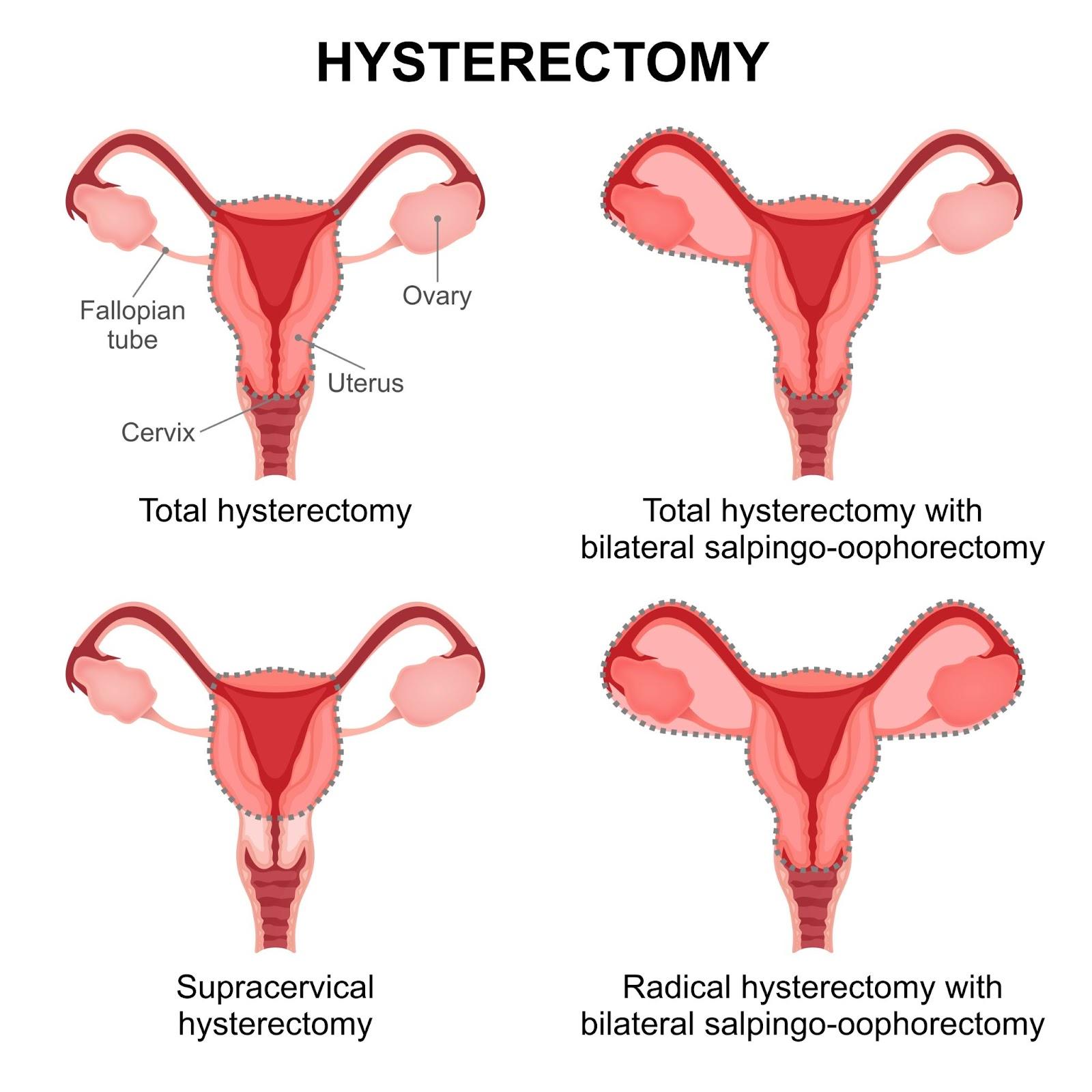
Types of Hysterectomy
Total Hysterectomy – Removes the uterus and cervix
Subtotal (Partial) Hysterectomy – Removes the uterus, leaves the cervix intact
Radical Hysterectomy – Removes uterus, cervix, surrounding tissue (usually for cancer)
Hysterectomy with Bilateral Salpingo-Oophorectomy – Also removes ovaries and fallopian tubes
Surgical Approaches
Laparoscopic Hysterectomy (Minimally invasive)
Robotic-Assisted Hysterectomy (Precision-based, faster recovery)
Vaginal Hysterectomy (No abdominal cuts)
Abdominal Hysterectomy (Open surgery, typically for larger growths or cancer)
Benefits of Minimally Invasive & Robotic Surgery
Smaller incisions
Less pain and blood loss
Faster recovery time
Shorter hospital stay
Reduced risk of infection
Quicker return to normal activities
Recovery and Aftercare
Limiting physical activity
Avoiding heavy lifting
Attending follow-up appointments
Taking prescribed medications regularly
Emotional support and counseling may also help as hysterectomy ends the ability to bear children and may cause hormonal changes if ovaries are removed.
Why Choose Dr. Kalpana Tiwari for Hysterectomy?
Dr. Kalpana Tiwari brings over 15 years of surgical expertise in performing advanced laparoscopic and robotic hysterectomies. Known for her precision, patient-centric care, and use of cutting-edge technology, she ensures the safest outcomes and fastest recovery for women undergoing this life-changing procedure.
