

Gynecological Cancer
- Home
- /
- Gynecological Cancer
Gynecological Cancer
Minimally invasive gynecologic oncology has significantly improved the diagnosis and treatment of gynecological cancers. With advances in laparoscopic and robotic-assisted surgery, cancer treatment can now be performed with greater precision, safety, and faster recovery—while maintaining excellent oncological outcomes. Dr. Kalpana Tiwari specializes in comprehensive gynecological cancer care, offering personalized treatment with a compassionate and advanced surgical approach.
🔹 What Is Gynecological Cancer?
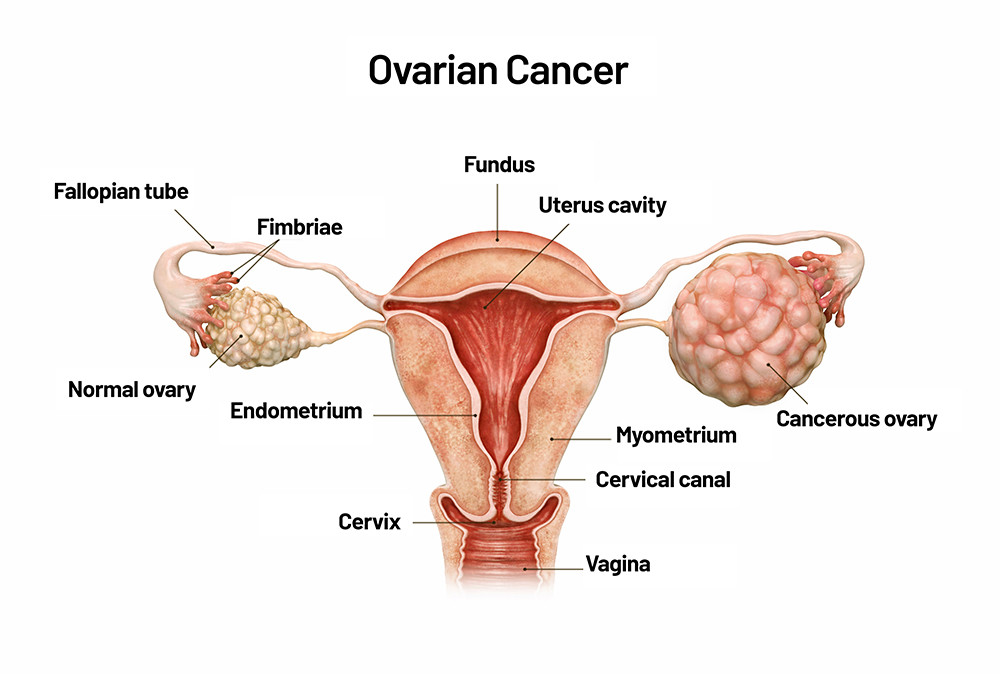
Gynecological cancer refers to cancers that arise in the female reproductive organs, including the uterus, cervix, ovaries, fallopian tubes, vagina, and vulva. Early detection and appropriate treatment play a crucial role in improving survival and quality of life.
🔹 Types of Gynecological Cancer
Uterine (Endometrial) Cancer
Cervical Cancer
Ovarian Cancer
Fallopian Tube Cancer
Vaginal Cancer
Vulvar Cancer
🔹 Common Symptoms of Gynecological Cancer
Abnormal vaginal bleeding or discharge
Bleeding after menopause
Pelvic or lower abdominal pain
Abdominal bloating or swelling
Pain during intercourse
Changes in bowel or bladder habits
- Unexplained weight loss or persistent fatigue
✅ Treatment Options for Gynecological Cancer
Treatment is individualized based on cancer type, stage, and patient needs.
Laparoscopic and robotic-assisted surgery for tumor removal and staging
Fertility-sparing surgery in selected early-stage cancers
Radiation therapy (external beam or brachytherapy)
Chemotherapy for advanced or high-risk cancers
Targeted or hormonal therapy in specific cases
🏥 Benefits of Minimally Invasive & Robotic Cancer Surgery
Small incisions with minimal scarring
Less pain and reduced blood loss
Shorter hospital stay
Faster recovery and return to daily activities
High precision in complex pelvic cancer surgeries
Lower risk of postoperative complications
🔬 Why Choose Robotic Surgery for Gynecological Cancer?
Robotic-assisted surgery is particularly beneficial for:
Early-stage uterine and cervical cancers
Complex pelvic anatomy
Obese or high-risk patients
Fertility-preserving cancer procedures
Surgeries requiring extreme precision and nerve preservation
Robotic technology allows enhanced visualization and meticulous tissue handling, especially in deep or confined pelvic areas.
